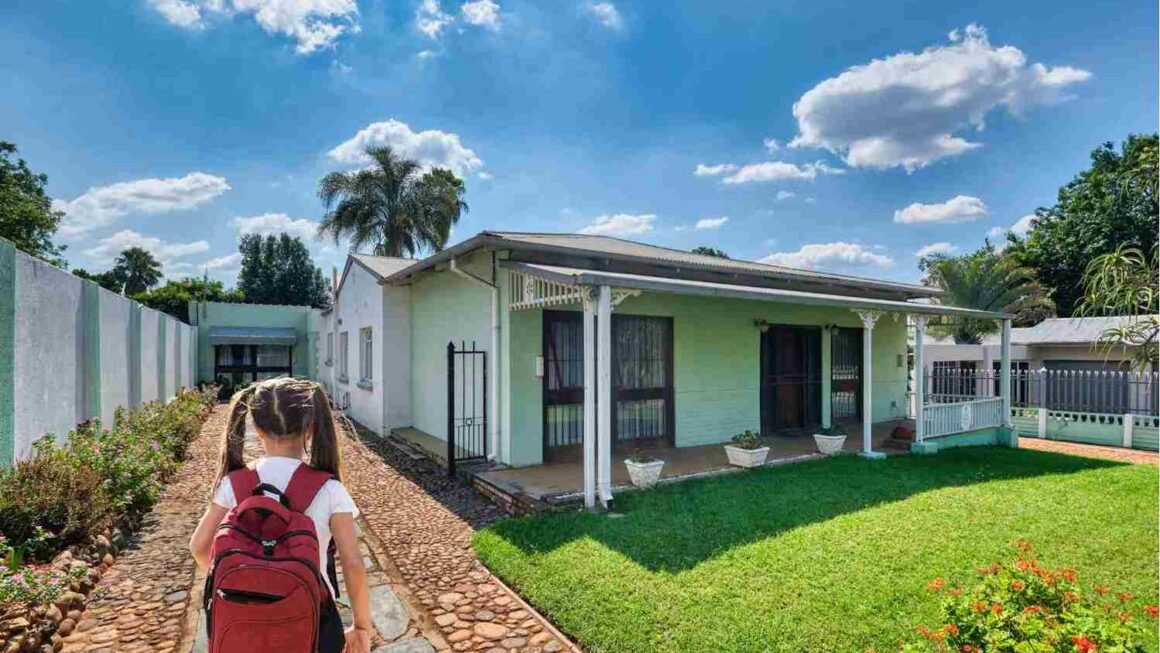
Real estate has always been about location, and good schools have long been a leading driver of value. Families with kids place a premium on the quality and convenience of schools when shopping for a home. Consequently, houses close to good schools often sell for more and quicker. This demand continuously drives up property values in school-centric neighborhoods.
1. Strong Demand From Families
Families with children at school are keen to live by educational establishments. You can live near, spend less time traveling every day and enjoy a routine. This steady being in the market leads to buyer competition, which can drive up prices.
2. Convenience and Time Savings
Less time traveling to school means less stress for parents and children. It would also be safer and less expensive to have your child walk or ride a bike to school. For many purchasers, convenience becomes a primary determinant of decision making.
3. Higher Resale Value
Houses situated around good school districts tend to have strong resale value. Even in slower markets, such properties receive steady interest since families prioritize education.
4. Rental Demand and Investment Potential
Property near schools also tends to be popular with investors.
- Strong demand from families and teachers
- Lower vacancy rates
- Stable long-term tenants
- Competitive rental pricing
- Strong appreciation potential
Which makes school-zone properties desirable for rental income.
5. Perceived Safety and Stability of Community
Schools in good locations are usually within nice, well-developed communities. Improved infrastructure, parks and kid-friendliness add to the neighborhood’s allure. Safe and secure are the words that buyers think when seeing these zones.
6. Influence on Property Appreciation
Another upside of properties in strong school districts is that, historically, they have tended to appreciate more consistently.
- Consistent family demand
- Limited supply within school zones
- Government and private school reputation
- Community development
- Improved infrastructure over time
These elements bode well for long-term value appreciation.
7. Impact on Community Development
Schools bring stability and growth to neighborhoods. Retail stores, parks, public facilities frequently grow up around academic establishments. This enhances overall property appeal.
8. Effect on Buyer Competition
Buyers are competing to get into the loci of school zones as those areas become more and more exclusive, especially in places like Brooklyn. This fosters competition among bidders, causing the selling price of homes in the zone to be higher than those of similar houses outside it.
9. Long-Term Stability in Demand
There is constant demand for education irrespective of business cycles. Good school choices remain in demand even in down markets. That makes properties close to schools relatively safe bets.
10. Factors Buyers Should Consider
School proximity adds value, but buyers should also investigate the traffic situation, noise and future infrastructure plans. There is a trade-off between convenience and quality of life in general.
Key Takeaways
With great schools nearby, your home value increases dramatically because families love the constant of demand, ease and very high resale. Properties in school zones often experience steady appreciation and rental demand. Proximity to school still plays a compelling role in real estate values for both end users and investors.
FAQs:
Q1. Do homes that are near schools always come with a higher price tag?
Yes, particularly if the school is reputable.
Q2. Is buying near school a good investment?
True, it usually means steady demand and higher resale value.
Q3. Is school proximity tied to rental income?
Yes, families tend to pay a premium on rent for school convenience.
Q4. Are there any downsides to living close to a school?
There may be traffic and noise during school hours.
Q5. Should school quality trump distance?
Yes, school association is a reflection of the school’s reputation and performance, which affects property value in your area.