The housing market is transforming and technology and efficiency are the core of this change. Modular and prefab, long considered a cheap building method, is coming into its own with new, innovative designs that are appealing to suburban and urban buyers alike as they look to use materials in a more sustainable way. New building methods redefine home construction. Cities face housing shortages, rising labor costs, and demand for speed. Developers use prefabrication and tech solutions to assemble parts quickly, cut waste, and maintain quality. Innovation is reshaping housing to meet modern urban pressures
1. Modular and Prefab Housing 101
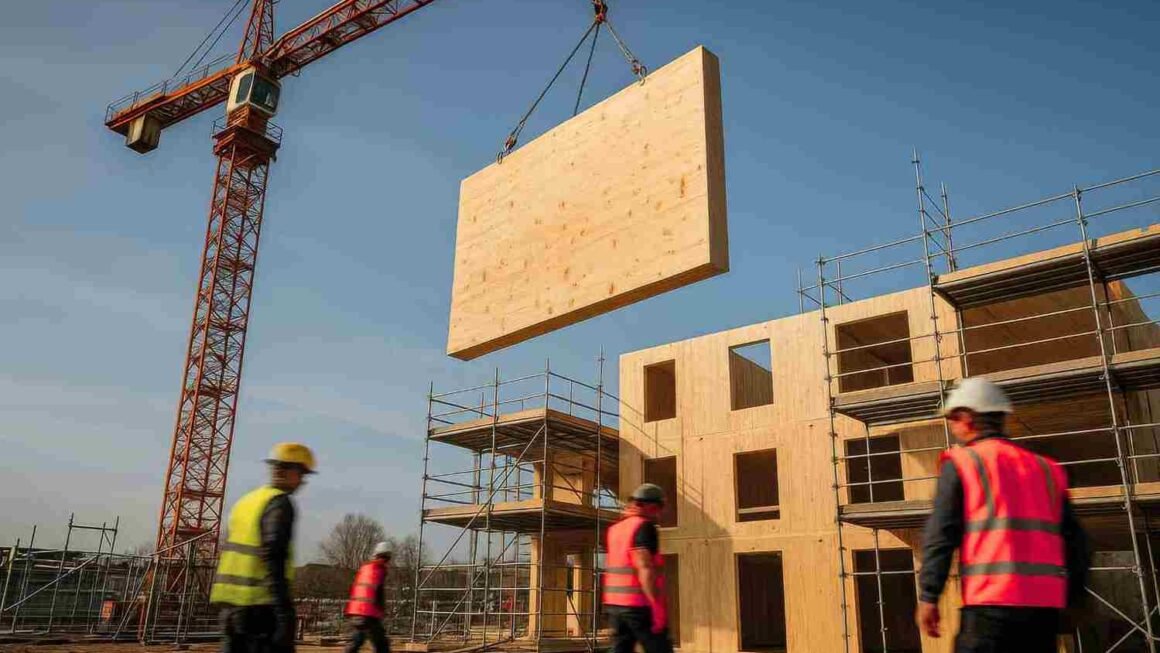
Modular building is the practice of assembling a structure, commercial or residential, in a factory prior to its installation on site. The housing is prefabricated in similar fashion, with pre-made walls and roofs and sometimes floors that are put together on site. This method, increases the precision and reduces construction time.
2. Faster Construction Timelines
Speed is perhaps the greatest benefit of modular housing. Because buildings are fabricated under factory conditions, the construction process is impervious to weather.
- Reduced on-site delays
- Parallel foundation and module production
- Shorter overall project timelines
- Faster occupancy for buyers
- Lower labor dependency
Speed is what makes these homes appealing in hot markets.
3. Cost Efficiency and Budget Control
Production directly in the factory, is profitable and waste-free. Economical bulk material procurement and high efficiency assembly minimize total costs. Buyers, in many cases, receive pricing more predictably than from traditional projects.
4. Sustainable and Eco-Friendly Design
Sustainable construction practices are supported through the use of modular homes. Meanwhile, this kind of controlled production minimizes the material waste and enhances the energy efficiency. Eco-friendly materials and renewable energy systems are incorporated in many prefab homes.
5. Improved Quality and Precision
High quality control is enabled because factories are usually more controlled than on-site construction. Sophisticated equipment guarantees the precision and uniform standards of every Pick. This can help lessen errors and disparities in the structure.
6. Flexibility in Design and Customization
Today’s modular homes have all or any of these options.
- Flexible floor plans
- Expandable modules
- Smart home integration
- Modern architectural styles
- Multi-story configurations
This flexibility subverts the expectation that prefab homes are one-size-fits-all.
7. Addressing Urban Housing Shortages
Rapid urbanization drives housing shortages in many cities. Governments and developers respond by deploying modular housing quickly. They assemble adaptable units to provide affordable homes, student accommodations, and workforce housing. This active approach makes modular housing a practical solution to urgent demand
8. Growing Acceptance Among Buyers
Before, there was a stigma about buying a prefabricated home: They were of poorer quality. Now, better technology and more appealing looks have page-the-Day style progress. Many modern modular homes meet or exceed the quality standards of their site-built counterparts.
9. Challenges in Adoption
Modular homes may have few obstacles, but they’re not without their challenges:
- Zoning and regulatory restrictions
- Transportation limitations for large modules
- Limited awareness in some markets
- Financing complexities in certain regions
- Need for skilled assembly teams
Removal of these barriers will enable growth.
10. The Long-Term Outlook
As urban centers hunt for faster, greener and cheaper housing options, modular and prefabricated construction is supposed to take off. New technology, like 3D-printing and robotized manufacturing, could make it even more efficient. It was on the factory-built precision and pioneering design of what housing could be in the future.
Key Takeaways
Module and prefabrication houses offer a great build time, cost effective way of acquiring an eco friendly new home built with innovative designs. These and other methods are invaluable in today’s housing market, with growing household demand and city-sized area. The truth is, the majority of prefab housing will only become more and more mainstream as technology advances.
FAQs:
Q1. Are modular homes durable?
Now its YES,, modular homes are soildly built to strict building codes.
Q2. Is a prefab home less expensive than a traditional home?
They may be cost-effective and save money because the construction process is a factory production.
Q3. Can modular homes be customized?
Yes, buyers have a variety of layouts and design options available.
Q4. Is modular housing eco-friendly?
Yes, it cuts down on waste and often incorporates some energy-efficient features.
Q5. Could modular housing catch on in cities?
Absolutely y, of course it grow because speed and economybenefits.