Dozens of financial decisions are made by human beings every day. From minor decisions like how to spend a Saturday to major ones like whether to change jobs or make a new investment, we never stop making money choices. Having to constantly decide between options can be indicative of mental fatigue over time. It’s called decision fatigue. If it impacts financial decisions, this can result in bad spending habits; spur of the moment buying or even failure to act in regard to critical financial matters.
Financial decision fatigue isn’t a matter of intelligence. It is about mental energy. When the energy drains, discipline falters and spending decisions shift.
1. What Is Financial Decision Fatigue
Financial choice fatigue occurs when making decisions about money wears you out, and your mental clarity and self control are diminished in the short term. Having made multiple decisions throughout the day, our brains become depleted and look for ways to conserve energy. And this can lead to more impulsive or less rational financial decisions.
2. Why Modern Life Increases Decision Fatigue
Good now, in our digital age of anything and everything. Online shopping, subscription services, investment platforms and payment methods insist that we constantly choose. Brain becomes more tired the more options there are.
3. Why Decision Fatigue Leads to Impulsive Purchases
In moments when mental exergy is low, convenience trumps dandelion thinking. This can lead to:
- Unplanned online purchases
- Ignoring budgets
- Choosing expensive convenience options
- Skipping price comparisons
- Overusing credit cards
Prone-to-act impulsively is more common when mental resources are drained at day’s end.
4. Emotional Spending and Mental Exhaustion
People are more emotional when stressed and tired. Shopping occasionally offers a short cut to cheer. When decision fatigue is compounded by stress, spending can be a solace rather than necessities.
5. The Effect on Your Long-Term Financial Goals
Cumulative small impulsive decisions might keep you from larger goals like buying a house, or retirement or investments. The impact of decision fatigue is that you don’t think about long term priorities as much, and focus on short term pleasure.
6. Signs You Are Experiencing Financial Decision Fatigue
Here’s how spotting the signs can reduce your risk of overspending:
- Feeling overwhelmed by budgeting tasks
- Avoiding reviewing bank statements
- Frequently making last minute purchases
- Choosing default options without thinking
- Ignoring financial planning completely
The first step toward control is awareness.
7. How Automation Reduces Decision Fatigue
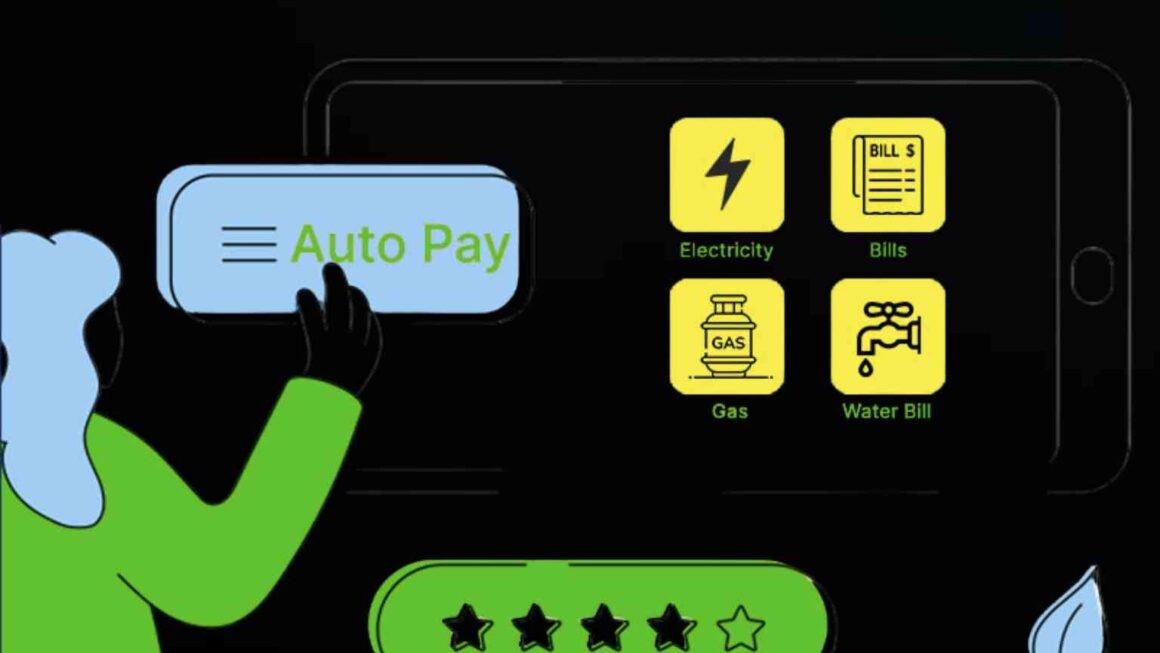
Automating your savings, bill payments and investments shrinks the number of decisions you make every day. Repetition of decisions, you see, sucks up mental energy that can be better spent on other financial choices.
8. Simplifying Financial Choices
Less unnecessary options is better for discipline. You don’t need much: a small number of bank accounts, fewer subscriptions and well managed budgets conspires to make your finances easier to corral without stress.
9. Building Strong Financial Routines
Fatigue error can be avoided by good habits. For example:
- Reviewing finances once a week
- Setting fixed shopping days
- Using predetermined spending limits
- Planning purchases in advance
- Following a consistent saving strategy
When you have a routine, your repeated decisions are curtailed.
10. Long Term Benefits of Managing Decision Fatigue
And when decision fatigue is managed, spending becomes more cogent. There’s a newfound confidence in money decisions. Finally, more discipline leads to stronger savings, smarter investments and greater financial stability over time.
Key Takeaways
- Financial decision fatigue arises when you have used up your mental energy making repetitive decisions
- Mental exhaustion increases impulsive spending
- Automation and habits are tools to fight back against those gratuitous decisions.
- Simplicity in your finances is a defense of long-term goals.
- Decision Fatigue Freedom, Better Financial Discipline
FAQs:
Q1. What is financial decision fatigue?
It’s mental fatigue from making too many money decisions.
Q2. How does decision fatigue lead to extra spending?
Tired minds like an easy fix and are more likely to be impulsive purchasers.
Q3. Can automation alleviate decision fatigue?
Yes, anything you automate that relates to saving or paying bills will cut down on daily decisions made.
Q4. Does decision fatigue affect everyone?
Yes, everyone who makes a lot of financial decisions is susceptible.
Q5. How do I stop shopping from being tired?
Stagger buys, automate money decisions.